Foundation crack repair in Allen
A crack is a symptom. Some need nothing more than sealing, and some point to a moving slab. How to tell, and what each fix costs.
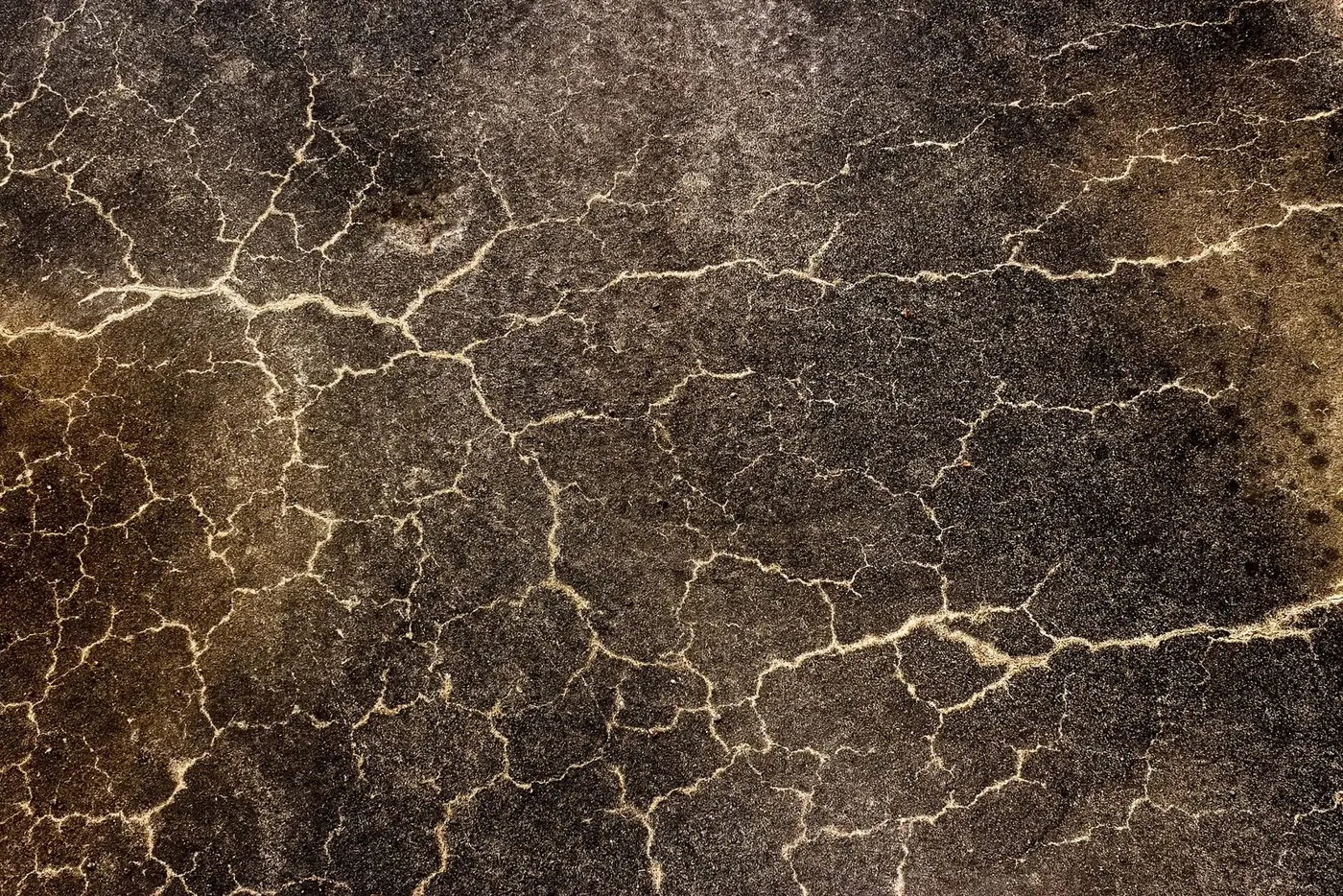
Most cracks are not a structural problem
The Texas Section ASCE guidelines say it directly: the majority of cracks don't compromise a foundation's structural integrity. They list cracking in walls, concrete and finishes among the visible signs of a possible foundation problem, but add that seeing those signs doesn't by itself mean the foundation is performing badly. On Allen's clay, a crack is a reason to look closer, not a verdict.
Cracks that point to movement
- The crack gets wider in dry months and narrower after rain.
- Doors or windows near it have started to stick, or a gap has opened at the top of a frame.
- The floor near it slopes enough to notice.
- It runs horizontally or in a stair-step pattern. HomeGuide's crack repair guide treats those shapes as structural, and lists cracks wider than 1/8 inch as a red flag for a professional look.
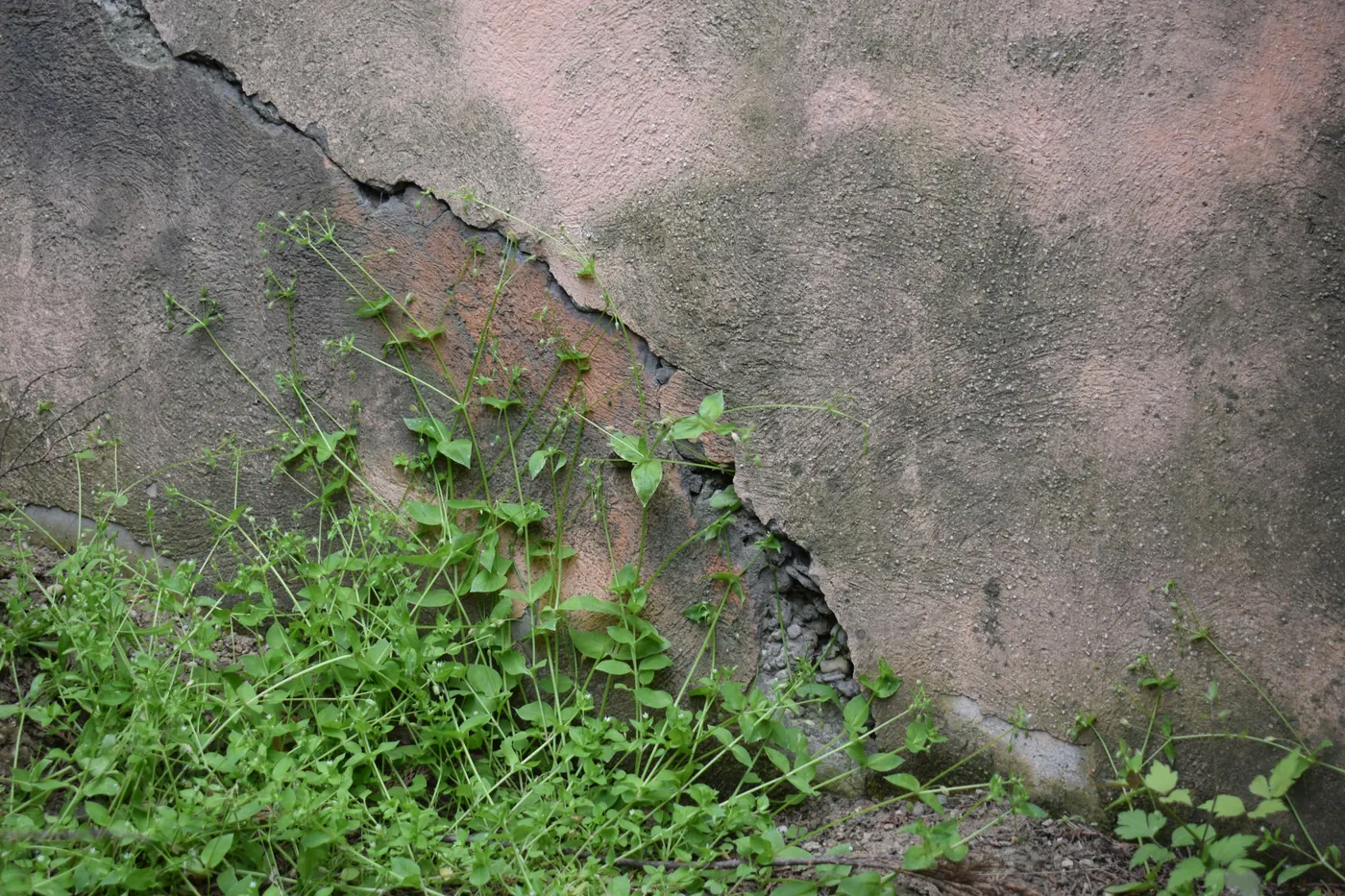
What the repair itself does
For cracks in a slab about 1/32 inch wide and larger, the ASCE guidelines describe injecting epoxy repair cement to restore stiffness across the crack, so the concrete acts as one piece again. If the only goal is keeping out moisture or insects, they say a sealant may be enough. Neither one stops the ground from moving. A crack sealed over an active slab tends to open again, which is why the cause gets fixed first.
What it costs
- DIY epoxy kit for cracks under a quarter inch: about $100 to $400 (NerdWallet, February 2026).
- Sealing and patching hairline cracks: $250 to $800 (NerdWallet).
- Structural cracks, minor (horizontal or stair-step): $1,000 to $5,000 or more; major: $10,000 to $30,000 or more (HomeGuide).
Track it through a season
The USDA says cracks in Houston Black clay stay open 90 to 150 days in most years, so a crack measured in May and again in September tells you a lot. Pencil a short line across each end with the date, photograph it next to a coin, and measure the width at the same spot each month. That record helps whoever comes out to look, whether it's a contractor or an engineer.
Sources
- Texas Section, American Society of Civil Engineers: Guidelines for the Evaluation and Repair of Residential Foundations, Version 3 (adopted April 1, 2022)
- HomeGuide: Foundation crack repair cost (Tara Farmer, July 9, 2025)
- NerdWallet: Foundation repair cost in 2026 (Shannon Bradley, updated February 25, 2026; figures from Angi)
- USDA NRCS Official Soil Series Description: Houston Black series (revised 08/2017)
Last checked October 7, 2026. Rules, costs and contact details change, so check the source before you act on them.
Good questions
Should I fill a foundation crack myself?
A thin, stable crack can be sealed with a DIY epoxy kit, which NerdWallet prices at about $100 to $400 for cracks under a quarter inch. If the crack is growing, horizontal or stair-stepped, or wider than 1/8 inch, have it looked at first, since sealing won't stop the movement behind it.
How much does foundation crack repair cost in Allen?
We don't have Allen-only data. NerdWallet's 2026 guide puts sealing and patching hairline cracks at $250 to $800. HomeGuide puts minor structural cracks at $1,000 to $5,000 or more.
Ready for an opinion on your foundation?
Fill in the form or phone us to set up a look at the house. Asking is free.
If no one picks up, leave your name, number, address and what you're seeing after the tone.